Ethnic wear for women is always in demand because it marries tradition, grace, comfort and personal flair. Whether its a classic saree, perfectly tailored salwar suit, contemporary kurtis, stylish sharara sets or modern lehengas, women have more options than ever before.
What makes Indian ethnic wear beautiful is its versatility! This identical closet can also have likable casuals, smart formal attire, celebratory garments as well as luxury wear like Wedding clothes. Indian ethnic attire for women can be moulded in to nearly anything as long as the correct fabric, color, silhouette and accessories are used.
This article focuses on the most popular ethnic clothes for women, how to select them, how to style them and where to get ethnic wears online.
What Is Ethnic Wear for Women?
Women’s ethnic wear is defined as clothing (Indian set and/or South Asian) influenced from the traditional dress styles, textiles, workmanship and cultural heritage of India and other South Asia.
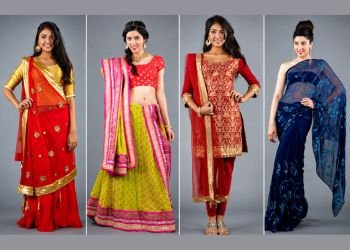
Sarees, salwar suits, Anarkali suits, kurtis, or lehengas and sharara sets / palazzo suit/ traditional co-ord set etc. These dresses will be embroidered, embellished with techniques like block printing, weaving and mirror work or using regions textile craftsmanships such as zari and threadwork.
This proves that ethnic fashion of today no longer needs to wear heavier traditionally dresses. Modern designers often meld classic pieces with contemporary lines, fluid proportions, minimal shapes and versatile materials.
This makes ethinc wear women well fitted for both routine and occasion wear.
Popular Types of Ethnic Wear for Women
Sarees
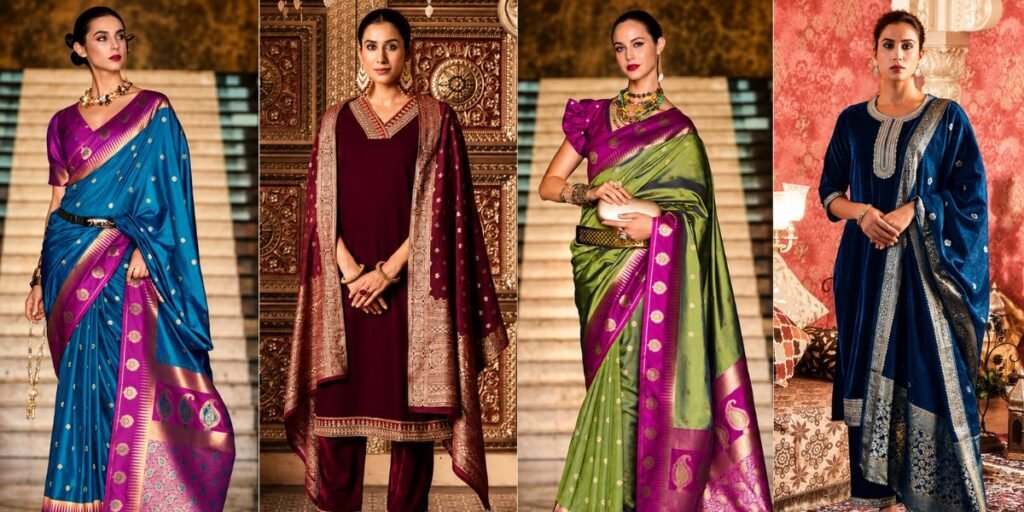
The saree remains one of the most recognizable forms of Indian traditional clothing. It is available in countless regional styles, fabrics, colors, and weaving traditions.
Cotton sarees are practical for warm weather and everyday use, while silk sarees are commonly chosen for weddings, festivals, and formal celebrations. Chiffon, georgette, organza, linen, and blended fabrics provide additional options for different preferences.
For a simple modern look, we can pair a lightweight saree with a well-fitted blouse, small earrings, and understated footwear. For festive occasions, statement jewelry and an embellished blouse can create a more elaborate appearance.
Salwar Suits
Salwar suits are among the most practical ethnic outfits for women. A traditional combination generally consists of a kameez, salwar, and dupatta.
The style has evolved significantly, with straight-cut suits, Punjabi suits, short kurtas, cigarette pants, churidars, and printed dupattas offering different interpretations.
For everyday wear, cotton or cotton-blend suits with simple prints work particularly well. For celebrations, embroidered fabrics and richer dupattas can instantly make the outfit more festive.
Anarkali Suits
Anarkali suits are recognized for their flowing, flared silhouette. They can range from simple cotton designs to heavily embellished outfits suitable for weddings and formal events.
A floor-length Anarkali with minimal jewelry can create an elegant evening outfit. Shorter versions can work well for daytime gatherings.
The key consideration is proportion. When the Anarkali has significant volume or embellishment, keeping the accessories relatively balanced can prevent the overall look from becoming visually overwhelming.
Kurtis
Kurtis are one of the most versatile choices in ethnic wear for women. They can be worn with leggings, straight pants, palazzos, jeans, skirts, or even layered over dresses.
Printed cotton kurtis are particularly useful for daily wear. For work or college, we can choose clean silhouettes and restrained patterns. For festive occasions, embroidered, jacquard, or embellished kurtis can be paired with coordinated bottoms and accessories.
A long kurti with straight pants offers a polished appearance, while an A-line kurti with leggings provides a more relaxed traditional look.
Lehengas
Lehengas are commonly associated with weddings, festivals, receptions, and other major celebrations. A traditional lehenga generally consists of a skirt, blouse or choli, and dupatta.
Modern lehengas are available in a wide range of designs, from heavily embroidered bridal-inspired pieces to lightweight festive versions.
For a daytime celebration, lighter fabrics and delicate embroidery can be more practical. Evening events allow greater flexibility with metallic details, richer textures, embroidery, and statement accessories.
Sharara Sets
Sharara sets have become a popular choice in contemporary ethnic fashion for women. The defining feature is the flared sharara or gharara-style bottom, usually paired with a kurta and dupatta.
They can create a festive appearance without the structure of a traditional lehenga. Printed shararas work well for smaller celebrations, while embellished versions can be suitable for weddings and parties.
Palazzo Suits
Palazzo suits combine the comfort of wide-leg trousers with the appearance of traditional Indian clothing.
A straight kurta with a printed palazzo can create an easy everyday outfit. For a more formal appearance, an embellished kurta with coordinated palazzo pants and a dupatta provides a refined alternative to heavier ethnic dresses for women.
Co-Ord Ethnic Sets
Ethnic co-ord sets offer a modern interpretation of traditional clothing. They usually feature coordinated tops and bottoms in matching or complementary colors and prints.
These sets are particularly convenient because the styling is already coordinated. Adding earrings, sandals, a small handbag, or a lightweight dupatta can complete the outfit without requiring extensive planning.
How to Choose the Right Ethnic Wear
Choosing the right ethnic wear for women should begin with the occasion, comfort, fabric, and personal style rather than trends alone.
Consider the Occasion
A simple cotton kurti may be ideal for everyday use, while a silk saree or embroidered Anarkali may be more appropriate for a wedding.
Before purchasing an outfit, consider where it will be worn, how formal the event is, and how long the outfit needs to remain comfortable.
Prioritize Comfort
An attractive outfit becomes less useful if it is difficult to move in or uncomfortable for extended periods.
For warm weather, breathable fabrics such as cotton and linen can be practical. Lightweight blends, georgette, and other fluid materials can work well when we want a dressier appearance without excessive weight.
Think About Silhouette
Different silhouettes create different visual impressions. Straight kurtas offer a clean appearance, while A-line and flared styles provide more movement.
The best approach is to choose a silhouette that feels comfortable and complements personal preferences rather than following a rigid body-type rule.
Check the Fit
Fit is particularly important with ethnic clothing because details such as shoulder placement, sleeve length, waist position, and trouser length can significantly affect the final appearance.
When shopping online, we should compare body measurements with the retailer’s size chart instead of selecting a size solely based on previous purchases.
Ethnic Wear According to Different Occasions
Everyday Wear
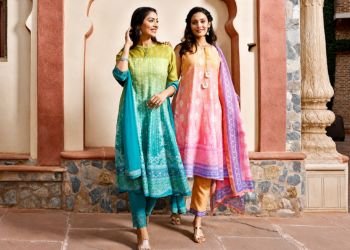
For everyday Indian traditional outfits, simplicity usually works best.
Cotton kurtis, printed salwar suits, straight pants, lightweight dupattas, and simple ethnic co-ord sets can form a practical wardrobe.
Neutral shades, small prints, breathable fabrics, and easy-care materials are especially useful for regular use.
Office Wear
Ethnic clothing can also work well in professional environments when the styling remains polished.
Straight kurtas with trousers, subtle printed suits, cotton sarees, and minimal Anarkali styles can create an office-appropriate appearance.
We can complete the look with simple earrings, a structured handbag, and comfortable closed or low-profile footwear.
Festivals
Festivals provide an opportunity to introduce more color and traditional detailing.
Bright kurtas, silk-blend sarees, embroidered suits, sharara sets, and lightweight lehengas can all work well. Traditional jewelry, bangles, jhumkas, or a decorative dupatta can add festive character.
Weddings
Wedding clothing generally allows more elaborate styling.
Depending on the event, we can choose an embroidered lehenga, silk saree, embellished Anarkali, sharara set, or richly detailed salwar suit.
Instead of combining every decorative element at once, it is often more effective to select one or two statement features and keep the remaining accessories balanced.
Best Ethnic Wear for Casual and Everyday Use
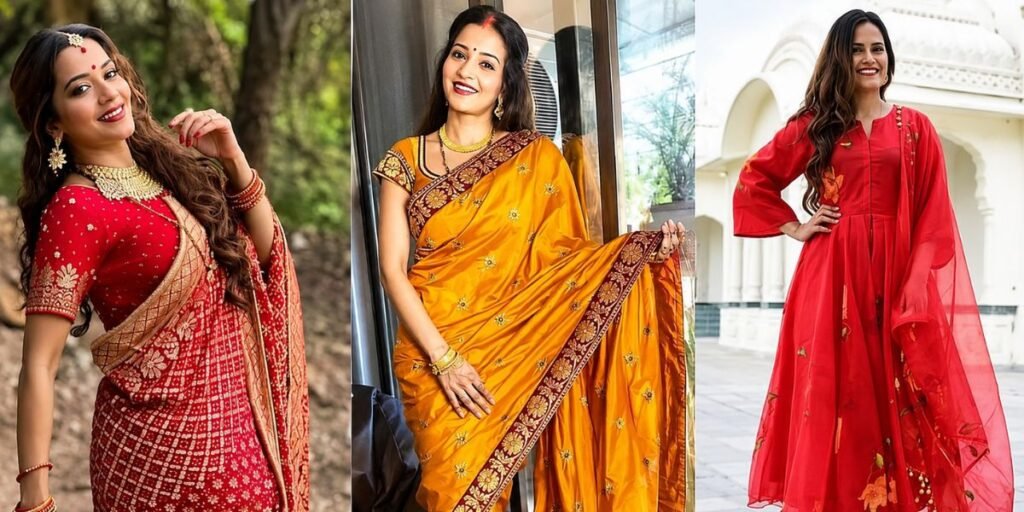
A practical ethnic wardrobe does not need to be filled with expensive occasionwear.
A few versatile pieces can create numerous outfits.
For example:
- Cotton kurti + straight pants + flats
- Printed kurti + jeans + small earrings
- Simple salwar suit + lightweight dupatta
- Long kurti + palazzo pants
- Cotton saree + minimal blouse
- Ethnic co-ord set + sandals
- Printed Anarkali + simple accessories
These combinations demonstrate why ethnic wear for women remains useful beyond festivals and weddings.
How to Style Ethnic Outfits
Accessories can completely change the character of an outfit.
Jewelry
Jhumkas, studs, bangles, necklaces, and statement earrings are classic choices. The amount of jewelry should generally correspond to the outfit.
A heavily embroidered lehenga may already provide enough visual detail, whereas a plain kurti can benefit from a colorful necklace or statement earrings.
Footwear
Juttis, mojaris, sandals, flats, wedges, and block heels can complement ethnic clothing.
For long events, comfort should be considered alongside appearance.
Dupattas
A dupatta can become the focal point of an otherwise simple outfit. Printed, embroidered, tissue, organza, and woven dupattas provide different styling possibilities.
We can also change the appearance of the same suit simply by switching the dupatta.
Handbags
Potli bags, embroidered clutches, sling bags, and structured handbags can complement different ethnic looks.
For everyday clothing, a practical handbag may be more useful than a decorative evening clutch.
Choosing Colors, Fabrics, and Patterns
Color selection depends heavily on personal preference, occasion, season, and styling goals.
For everyday clothing, soft neutrals, earthy tones, pastels, and classic prints can be easy to combine. Festive occasions allow brighter colors, deeper shades, metallic details, and richer textiles.
Fabric is equally important.
Cotton: Comfortable and breathable for everyday use.
Linen: Lightweight and suitable for warm-weather styling.
Silk: Associated with a polished and traditional appearance.
Georgette: Lightweight and fluid, making it popular for dressier outfits.
Chiffon: Light and flowing, especially useful for dupattas and sarees.
Organza: Structured and slightly sheer, often used for contemporary festive outfits.
Velvet: Heavier and more suitable for cooler weather and evening occasions.
Patterns should also match the intended use. Small prints generally feel more understated, while large motifs and detailed embroidery can create a stronger statement.
Ethnic Wear for Different Seasons
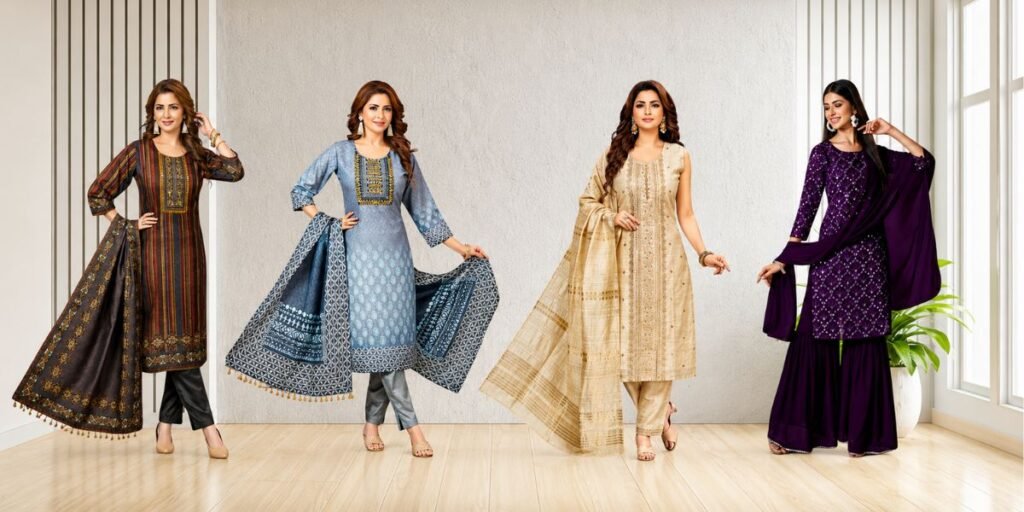
Summer
Summer wardrobes benefit from breathable materials and lighter layers.
Cotton kurtis, linen sarees, lightweight salwar suits, and minimal dupattas can help create comfortable outfits.
Monsoon
During the monsoon, easy-to-maintain fabrics and shorter hemlines can be practical. Darker or medium-toned prints may also be easier to manage for regular outdoor use.
Winter
Winter provides an opportunity to experiment with heavier fabrics and layered styling.
Silk-blend outfits, velvet details, shawls, embroidered suits, and longer ethnic silhouettes can be combined with appropriate outer layers.
Tips for Buying Ethnic Wear Online
Shopping for ethnic wear online offers a wide selection, but it requires careful checking.
Read the Size Chart
Never rely only on labels such as S, M, L, or XL. Different brands can use different measurements.
Check bust, waist, hip, shoulder, sleeve, and garment-length measurements where available.
Examine the Fabric Description
Product photographs can sometimes make fabrics appear different from their actual texture. Read the material description carefully and check whether the garment requires special care.
Look at Product Reviews
Customer reviews can provide useful information about sizing, fabric feel, color accuracy, stitching, and overall fit.
Check Return Policies
Before purchasing expensive ethnic clothing online, review the return, exchange, alteration, and refund policies.
This is particularly important for occasionwear and customized garments.
Examine Embroidery and Detailing
For embroidered outfits, look carefully at product photographs and descriptions. Check whether the embellishment is printed, embroidered, woven, or attached.
Understanding the construction can help set realistic expectations about the garment.
Building a Versatile Ethnic Wardrobe
A well-planned collection does not require dozens of outfits.
We can start with a neutral everyday kurti, one printed salwar suit, a versatile festive outfit, a saree, and a contemporary ethnic set.
From there, accessories and additional dupattas can create more combinations.
For example, a plain kurta can be styled differently with a printed dupatta, statement earrings, or contrasting trousers. This approach makes the wardrobe more flexible while reducing unnecessary purchases.
Ethnic Fashion for Women: Traditional Meets Modern
Women’s ethnic wear is gradually fusing traditional updating elements with modern styling.
You can wear a modern blouse with a saree. An ol kurti is to wear with jeans, You are a throwback floral on a modern day co-ord. An a minimalist silhouette lehenga instead of heavy ornamentation.
This mix sustains traditional fashion, making it applicable to various customs and age groups.
Generally, the best way to go about styling is a blend of cultural inspiration with comfort and being yourself.
Conclusion
Women ethnic wear is a beautiful mix of tradition, versatility and modernity. It does no matter if it is an everyday wear cotton kurti or a graceful saree, festive Anarkalis or fashionable sharara sets to embellished and stylish lehengas — just like Indian traditions, there are ethnic styles for literally every occasion.
The best picks may not even be the ones with all the bells and whistles or most popular trend. A nice ethnic outfit concentrates on fit, comfort, gown fabric, versatility and an individual style.
By selecting the right silhouettes, pairing colours wisely and using accessories judiciously,we can create outfits that feel traditional without looking outdated. Whether shopping in stores or exploring ethnic wear online, thoughtful selection can turn a small collection of well-chosen pieces into a highly versatile wardrobe.
Frequently Asked Questions
What is the most versatile ethnic wear for women?
Kurtis and salwar suits are among the most versatile options because they can be styled for casual, professional, festive, and semi-formal occasions.
Which ethnic wear is best for summer?
Lightweight cotton, linen, and breathable blended fabrics are practical choices for warm weather. Simple kurtis, cotton suits, and lightweight sarees can work particularly well.
What should we wear to an Indian wedding?
Depending on the wedding and your role at the event, suitable options can include sarees, lehengas, embroidered Anarkalis, sharara sets, and embellished salwar suits.
Can ethnic wear be worn casually?
Yes. Simple kurtis, cotton suits, palazzo sets, printed co-ords, and lightweight sarees can all be adapted for casual use.
How can we style a simple kurti?
A simple kurti can be paired with straight pants, palazzos, leggings, jeans, or a contrasting skirt. Earrings, a dupatta, sandals, and a handbag can further change the look.
What should we check when buying ethnic wear online?
Check the size chart, fabric composition, garment measurements, customer reviews, product photographs, care instructions, delivery details, and return or exchange policy before placing an order.